






Erasmus+ Capacity Building : MELINA
Mastering Efficient Lighting In North Africa
The project aims to develop new training programmes in response to the growth of the lighting market, driven by the emergence of LED technologies.
The MELINA project (Mastering Efficient Lighting in North Africa) is funded by the ERASMUS+ CBHE programme 'Capacity Building in Higher Education' and is coordinated by the University of Toulouse in partnership with nine universities from North Africa and Europe, as well as a group of scientific and industrial partners.

The training programmes offered by the MELINA project aim to promote best practices, reduce energy consumption, and minimise environmental impact. They will pave the way for a largely untapped professional sector and contribute to job creation.
The innovations of MELINA relate to:
- the academic teaching of lighting in Morocco, Algeria, and Tunisia,
- the adaptation of educational content in collaboration with stakeholders, businesses, and the labour market,
- the development of innovative teaching methods with the active participation of the students themselves,
- the creation of alumni associations that will play a leading role in the development of a national association for the lighting professions.
The expected outcomes of the project, which are intended to be sustainable beyond the end of Erasmus+ funding, are as follows:
- a set of 110 hours of courses,
- a team of 70 trained lecturers within the six partner institutions,
- more than 280 graduates per year,
- six higher education institutions (HEIs) and research institutes (RIs) equipped,
- a website, a MOOC, and alumni associations,
- partnership agreements for activities beyond the lifetime of the project.
The expected impact is at several levels:
- At the institutional level: the establishment of new training programmes and teaching methods, strong links with companies to ensure the continuous adaptation of academic curricula, and improved employability of graduates..
- At the national level: strengthening partnerships between higher education institutions (HEIs) and companies; developing forward-looking policies to align sectoral skills with market needs; enhancing the relevance of competencies and research themes; reinforcing lighting standards; promoting energy-efficient lighting equipment; protecting the market from low-quality products; and ensuring the proper implementation of lighting projects in the Maghreb countries.
- At the regional level: sharing experiences and fostering medium- to long-term cooperation.
- At the European level: developing and promoting sustainable cooperation among the relevant partners, leading to convergence in line with EU developments and standards.
Partners
The partnership is composed of the following institutions:- Université de Toulouse, France - Coordinator
- National Technical University of Athens, Greece
- Aalto University, Finland
- Technical University of Liberec, Czech Republic
- Abdelmalek Essaâdi University, Marocco
- University Hassan II de Casablanca, Marocco
- University of Sidi Bel Abbes Djilali Liabes, Algeria
- National Polytechnical School, Algeria
- University of Monastir, Tusinia
- Cartage University, Tunisia
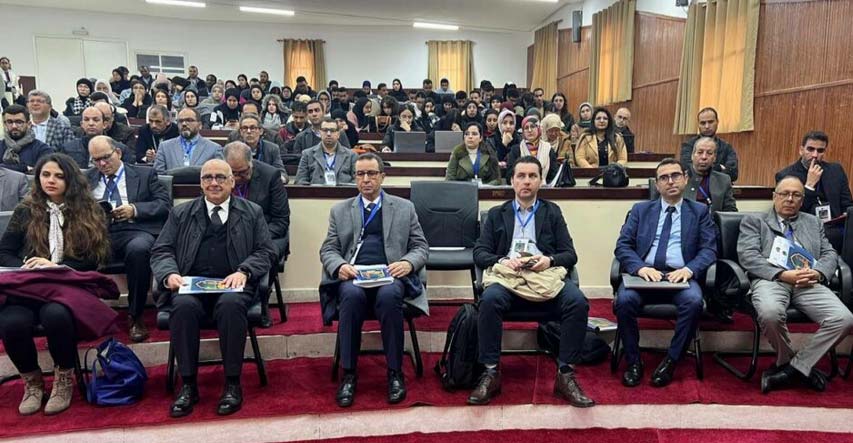
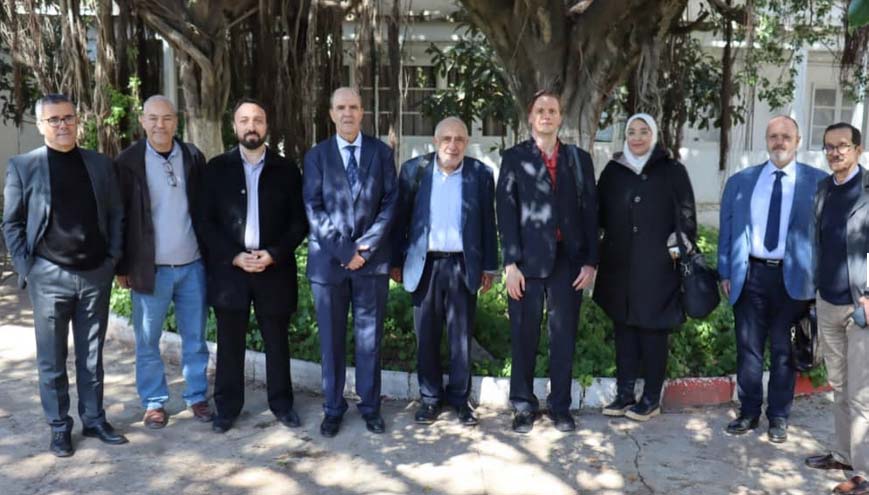
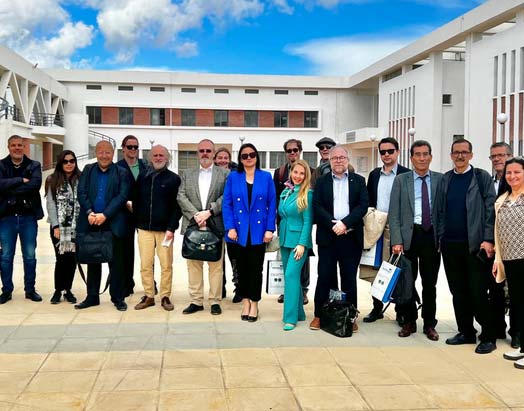
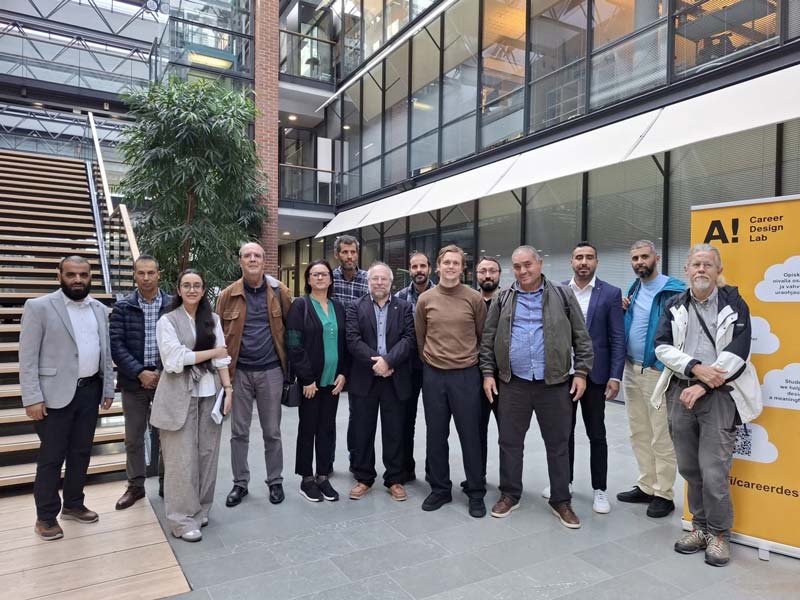
Project duration: from 1 January 2025 to 31 December 2027.