
Erasmus+ Capacity Building : TERRASCAPE
Remote Sensing for the Strengthening of Capacities, the Prevention of Natural Disasters, and the Employability in Côte d’Ivoire, Senegal, and Cameroon
TERRASCAPE will train future specialists in new remote sensing and geomatics technologies, while also providing them with entrepreneurial skills applied to these technologies, enabling them to better understand environmental changes and address the specific challenges faced by their countries.
Remote sensing and geomatics are complementary disciplines essential for the analysis and management of spatial data, particularly in the fields of environment, climate change, and natural resource management, which are priority action areas for Europe (European Green Deal).
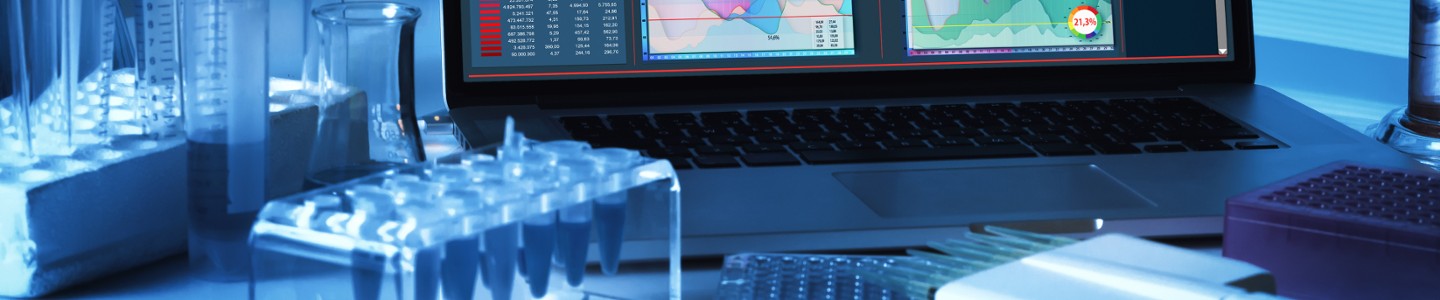
Remote sensing, through sensors on satellites, drones, and aircraft, enables the monitoring of forests and agricultural crops, the prevention of natural disasters, and the study of climate change.Geomatics, on the other hand, encompasses the techniques and tools for collecting, processing, analysing, and visualising geographic or spatial data, applied to land-use planning, natural resource management, and transportation, among other fields.
Remote sensing and geomatics (RSG) are connected to several academic and professional disciplines, including earth and environmental sciences, geography, information technologies, engineering, and others. Their applications vary according to the environmental, socio-economic, and climatic challenges faced by each country.
The project addresses, on the one hand, the need to strengthen the skills and capacities of academic staff at the partner African universities in remote sensing and geomatics, by enhancing training curricula to include modules on emerging technologies (SWOT, Sentinel, GRACE, GRACE-FO, Galileo, etc.)
TERRASCAPE aims to enhance the educational offerings at the bachelor’s and master’s levels in remote sensing (RS) and geographic information systems (GIS) in Côte d’Ivoire, Senegal, and Cameroon.
TERRASCAPE is a capacity-building project in higher education.
It is led by the University of Toulouse (UT) and brings together ten other partners:
- INRAE de Bordeaux, France;
- Fundación instituto de hidráulica ambiental de Cantabria (FIHAC/UC), de l’Université de Cantabrie, Spain;
- Université de Dschang (UDs), Cameroon ;
- Université de Ngaoundéré (UN), Cameroon ;
- Université d’Ebolowa (UEb), Cameroon ;
- Université Félix Houphouët-Boigny (UFHB), Côte d’Ivoire;
- Université Alassane Ouattara (UAO), Côte d’Ivoire;
- Université Cheikh Anta DIOP (U.C.A.D), Senegal.
- Université Iba Der Thiam de Thiès (UIDT), Senegal;
- Agence Universitaire de la Francophonie - Belgium (AUF-UE).
The activities and outcomes of TERRASCAPE will primarily benefit the partner institutions in Cameroon, Senegal, and Côte d’Ivoire.