
Erasmus+ KA171 helps students at the Cambodian Institute of Technology shape their studies
Students and teachers from the Institut Technologique du Cambodge have taken part in the ERASMUS+ KA171 program, joining prestigious masters programs such as the ones at UT3 and the University of Rennes. This collaboration strengthens academic exchanges and testifies about the commitment of these establishments to international and collaborative higher education.
As part of the ERASMUS+ KA171 international mobility program, several students and teachers from the Cambodian Institute of Technology (ITC) had the opportunity to enjoy an enriching experience in France. This ambitious initiative aims to enrich academic and professional careers by promoting intercultural exchanges and scientific collaboration.
What is ERASMUS+ KA171 ?
ERASMUS+ KA171 embodies the spirit of exchange and collaboration that drives academic institutions across Europe and beyond. This funding, obtained by a consortium led by the University Sorbonne Nord Paris and comprising the Universities of Toulouse III - Paul Sabatier, Rennes and INSA Rennes, aims to support materials science at the Cambodian Institute of Technology.
For students and teachers at the Cambodian Institute of Technology, ERASMUS+ KA171 opens doors to new academic horizons in France, offering a valuable opportunity to explore a variety of educational and cultural perspectives.
This program goes far beyond the simple transfer of knowledge. It fosters genuine immersion in a different educational environment, encouraging participants to engage in enriching intellectual exchanges and develop essential intercultural skills in an increasingly connected world. The links forged between partner institutions thanks to ERASMUS+ KA171 help to strengthen international cooperation in the field of education and promote mutual understanding between peoples.
ERASMUS+ KA171 represents a gateway to new opportunities for learning and personal development, while helping to create a space for exchange and collaboration within the global academic community.
Exchanges that marked the year 2023 - 2024
The students
During this first semester of mobility, several ITC students enrolled in the ITC "Materials & Structure" M2 program were able to join master's programs at prestigious French universities :
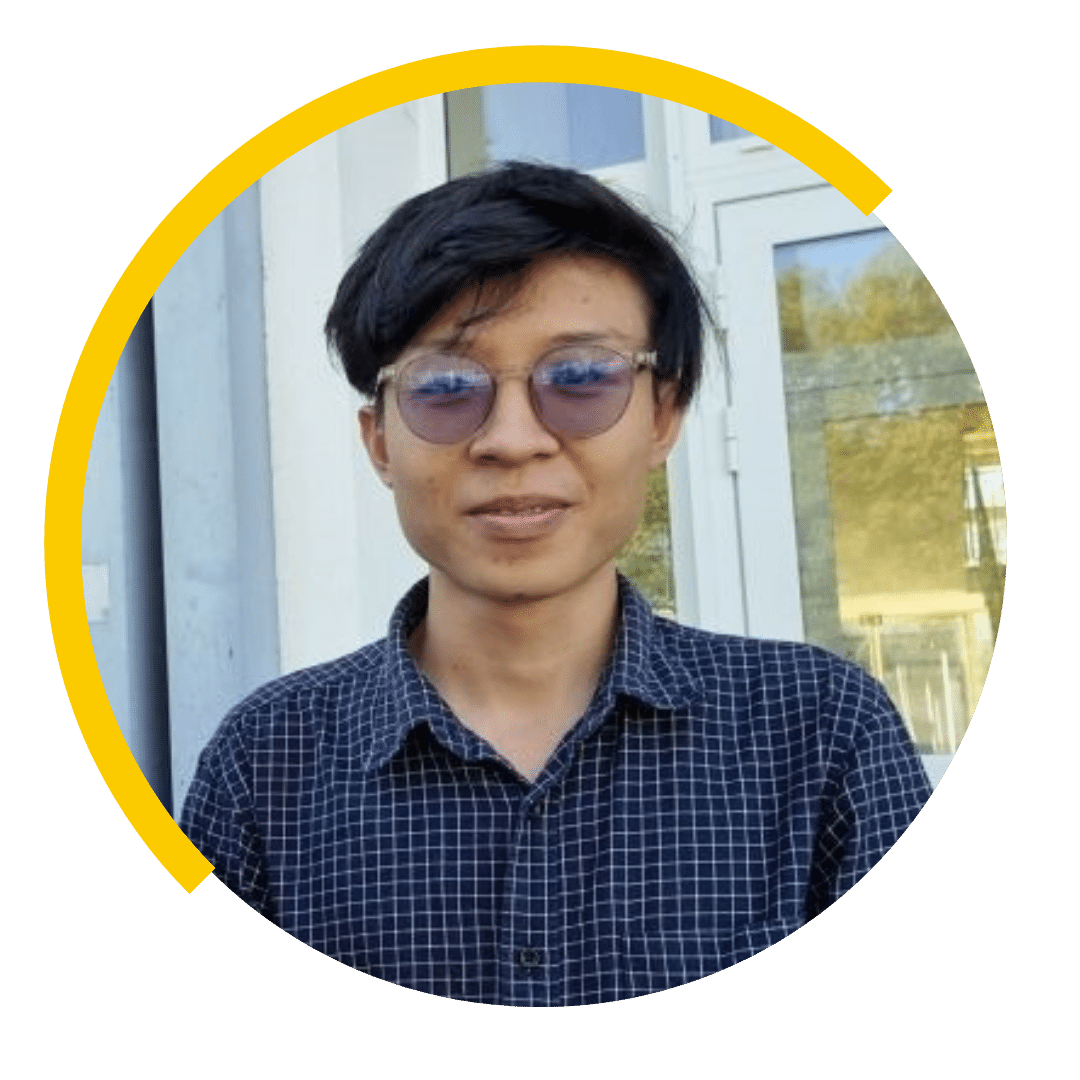
Brossour Chheng
Master 2 Civil Engineering student
Sustainability Engineering : Research
and innovation for materials and structures (IDRIMS)
Paul Sabatier University
Toulouse III
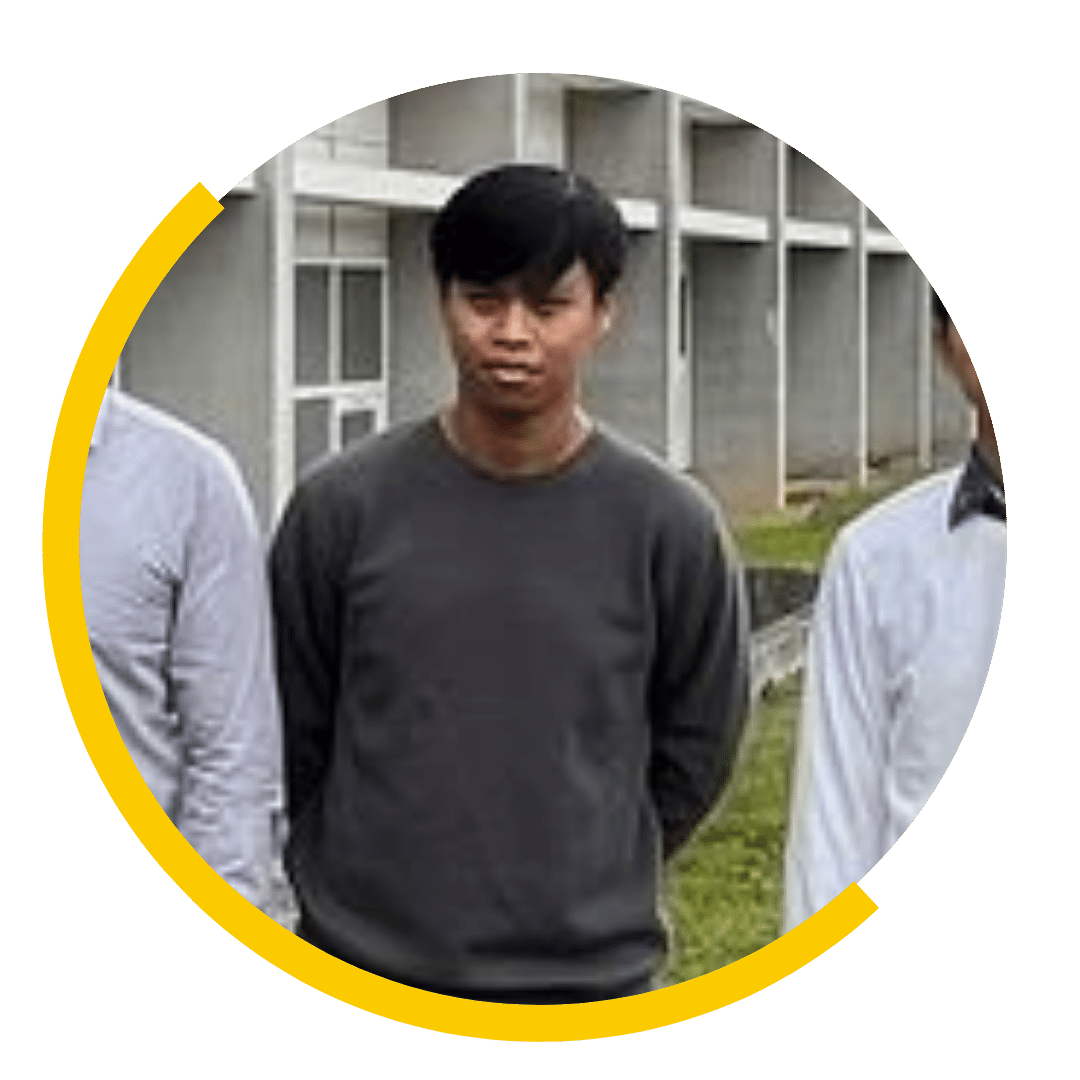
Vivutd Khom
Master 2 Engineering sciences and Applications student
Mechanics and Materials
University of
Rennes
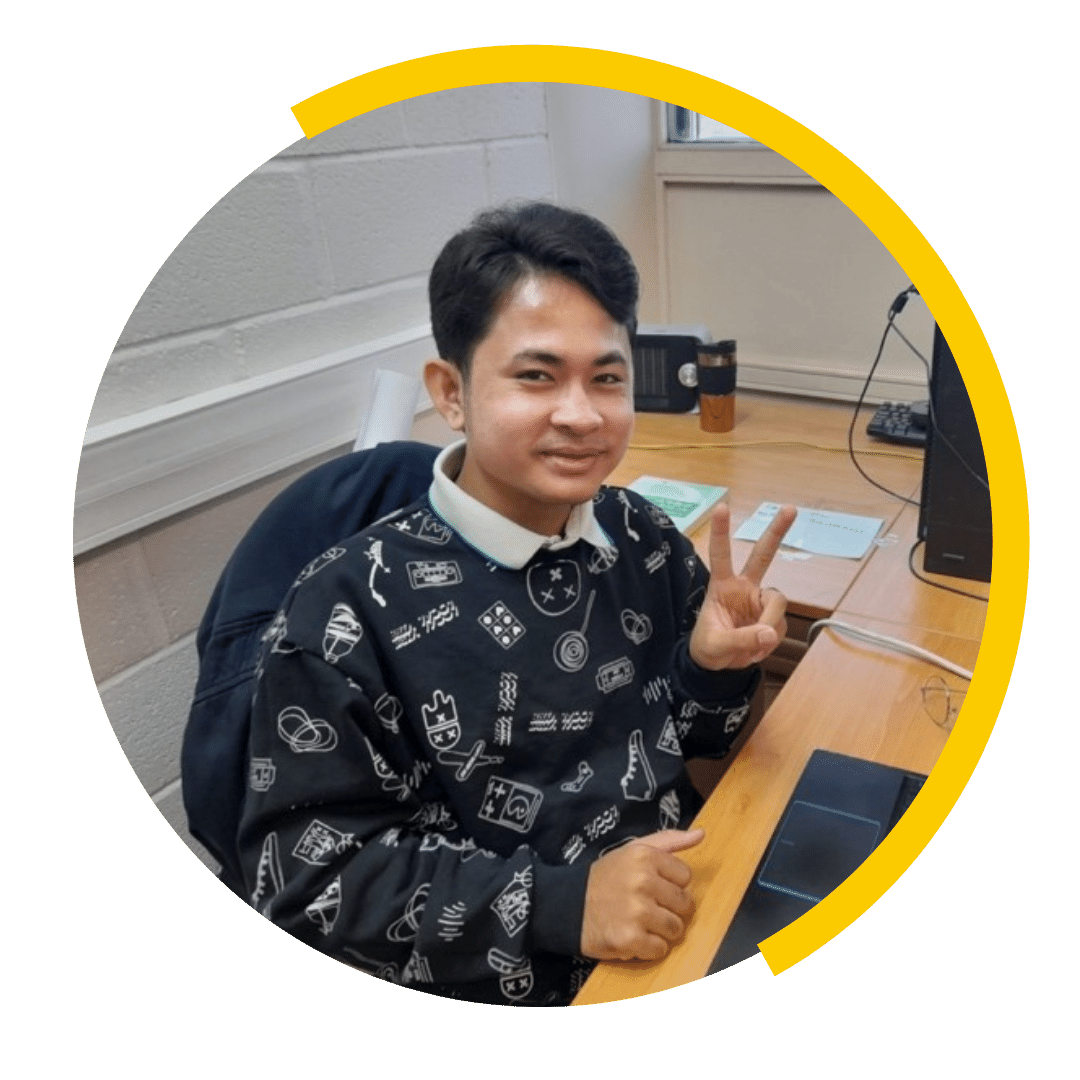
Dy Sochita
Master 2 Materials and Structure (ITC) student in internship at the LSPM-CNRS laboratory
Sorbonne Paris
North University
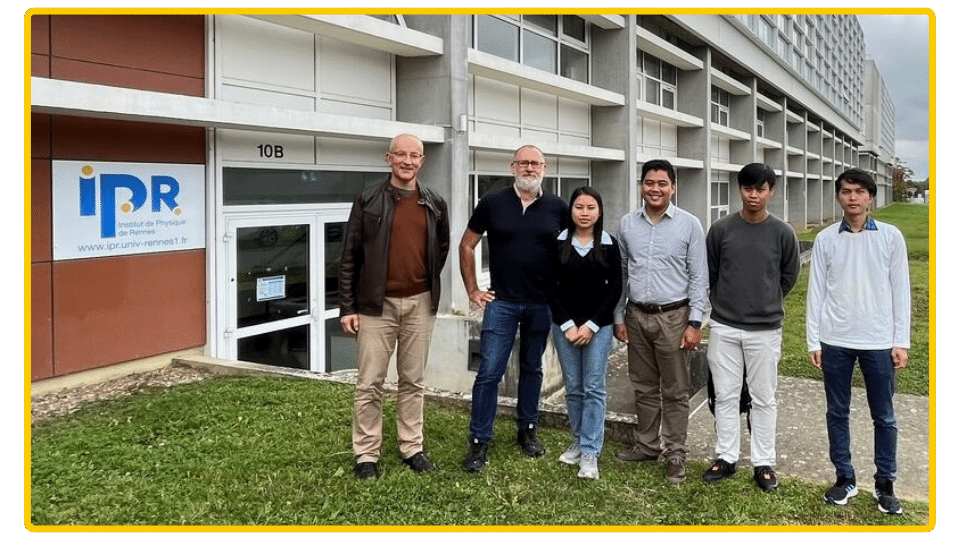
Tanguy Rouxel, Jean-Christophe Sangleboeuf, Chea Monyneath,
Hin Raveth, Vivutd Khom and Theany To (IPR Rennes)
Viseth Setha, Rith Borey, Kong Aruntitya, Meng Senghor and Por Somethea have arrived at INSA Rennes to immerse themselves in the "Design Engineering" master's program, specializing in "Mechanics, Materials, Civil Engineering".
Their semester-long stay offers them a unique opportunity to explore new fields of study and forge valuable links with their French colleagues.
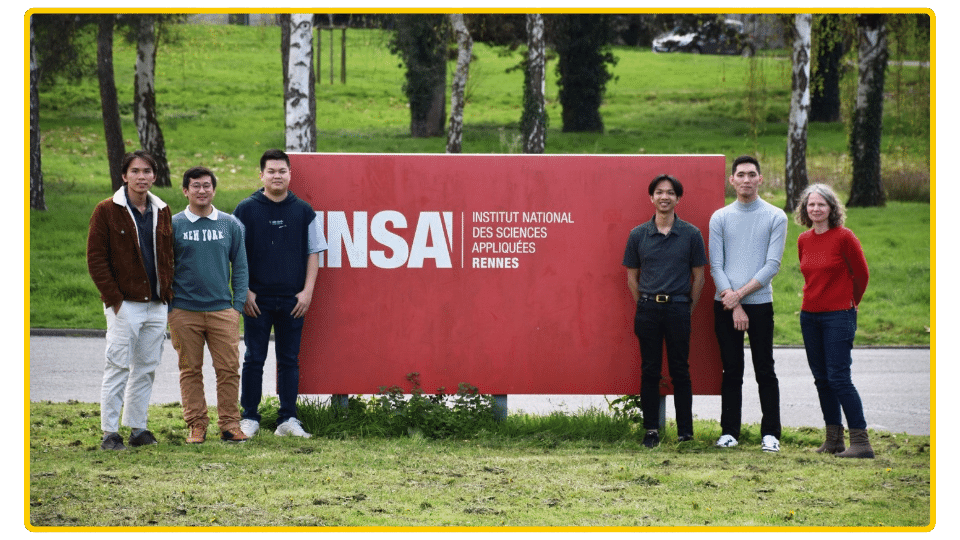
Kong Aruntitya, Por Somethea, Meng Senghor, Viseth Setha,
Rith Borey and Aveline Darquennes (INSA Rennes)
For his part, Som Chansamnang is boarding on a long-term 10-month project, giving his doctorate a deeper dimension at INSA Rennes, where he can fully immerse himself in his research and benefit from the institution's stimulating academic environment.
The teaching staff
In addition to the students, teachers from ITC and UT3 have also benefited from this international mobility opportunity.
Chea Monyneath, lecturer at the Faculty of GeoTechnique and Georesources (GGG), and Hin Raveth, lecturer at the Faculty of Civil Engineering (GCI) and deputy director of the ITC Doctoral School, took part in a specialized training course on glass at the Institute of Physics of Rennes.
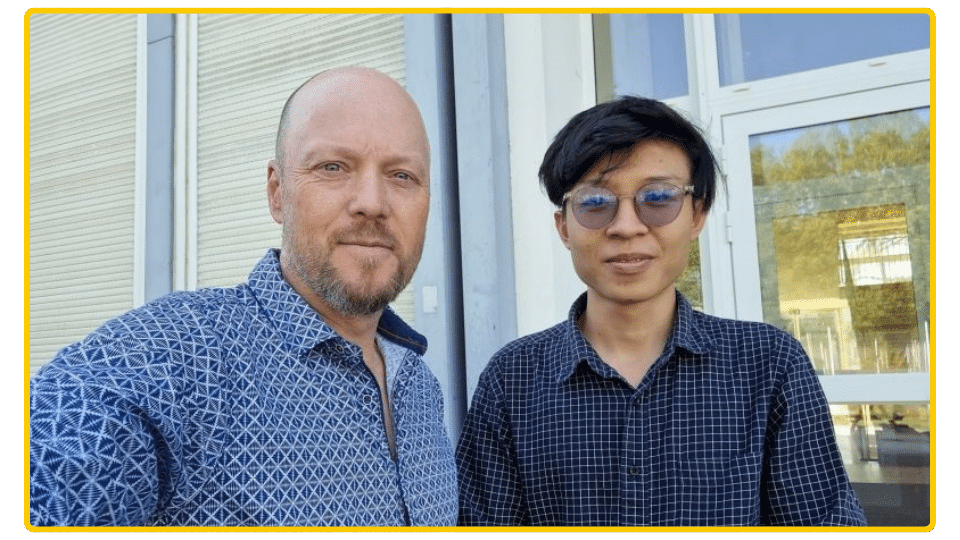
Martin Cyr (UT3) and Brossour Chheng (ITC)
Overtaking European borders with Erasmus+
Beyond its European borders, Erasmus+ KA171 embodies the spirit of openness and collaboration that transcends the geographical limits of Europe. By promoting international exchanges between the Institut Technologique du Cambodge and prestigious French academic institutions, this program offers much more than just an opportunity to study abroad.
It represents a genuine gateway to new academic and cultural horizons, helping to shape a generation of openminded students and teachers ready to meet the challenges of an increasingly interconnected world.
Through the sharing of knowledge and the mutual enrichment of cultures, Erasmus+ KA171 embodies the ideal of education without borders, where knowledge and collaboration transcend national barriers to shape a common future of diversity and understanding.